Forest Management Plans vs. One-Time Timber Sales in Bradford, VT: Which Strategy Builds More Long-Term Value
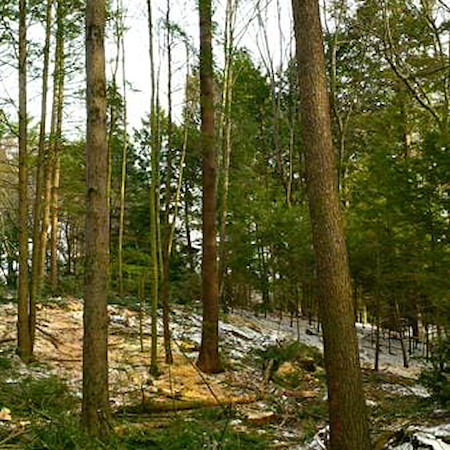
Owning woods in Bradford, VT comes with choices. The biggest is whether to sell timber one time for fast cash or to follow a clear forest management plan that builds value over years. For most landowners, the plan wins. It protects your woods, times the market, and supports the goals you care about. With Stillwater Forestry LLC, you get a practical roadmap and a local team that knows our hills, soils, and seasons. Learn how a tailored forest management plan can help your land grow stronger and more valuable.
What “Long-Term Value” Really Means in Bradford, VT
Long-term value is more than the check you get this season. It includes future timber quality, healthy wildlife habitat, safe access roads, and a woods you are proud to pass on. Around Bradford and nearby towns like Fairlee, Thetford, and Corinth, that also means planning for steep terrain, spring thaws, and mixed northern hardwoods such as sugar maple, birch, and beech.
How Forest Management Plans Build Lasting Timber Value
A good plan gives you clarity. It turns guesswork into steps you can follow. It puts every harvest, road, and habitat project in the right order so your woods improve, not decline.
- Long term forest planning ties clear goals to on-the-ground work.
- Inventory and mapping show which stands should be thinned now and which should wait.
- A timber harvest schedule lines up with Vermont seasons and mill demand.
- Soil and water protections keep growth strong and future cuts more profitable.
When our foresters draft or update your plan, we look at age classes, species mix, access, and markets. We also line up improvement cuts so your best trees gain light and space. That way, the next sale is usually better than the last. For a deeper dive into why planning matters, you can read our article on the importance of forest management plans.
The Hidden Risks of One-Time Timber Sales
One-time timber sales can feel simple, but they often leave money on the table later. A short, high-pressure cut can remove your best trees and leave the rest struggling. Roads may rut. Regeneration may fail. You may also lose leverage on price if you do not control timing or volume.
- High-grade cuts take top-value trees and stall future value growth.
- Poor skid trail placement can damage soils and streams.
- No follow-up plan means brushy stands and weak regeneration.
Never sell timber without a written plan and a clear contract. The plan sets rules for marking, access, cleanup, and protection. If you truly need a quick sale, work with a forester who represents you. Our buyers of standing timber service is designed to help landowners who prefer a one-time sale make smart, protected choices.
Tax and Program Benefits: Current Use and Use Value
Many landowners ask about state current use or use value programs. These programs can reduce property tax burden for eligible forestland when you follow a plan and maintain your woods with scheduled activity. Requirements vary by state and change over time, so talk with your forester and a tax professional. A documented management plan is often the first step to apply or stay in good standing.
We include long term forest planning, stand treatments, and a realistic timber harvest schedule in your plan so you can discuss program options with confidence. Your plan also makes annual reviews easier, since progress and next steps are clear and trackable.
Setting a Timber Harvest Schedule That Fits Vermont Seasons
In Orange County, winters are cold and snowy, springs are muddy, and summers can bring heavy rain. Timing harvests to conditions protects soils and reduces damage to roads and trails. Winter cuts on frozen ground are a common choice for wetter sites. Upland hardwood stands with firm soils may handle late summer or early fall work if access is well built.
Match the work to the weather, not the other way around. A smart schedule often means shorter, well-timed entries that add up to more value than one big cut. It also gives you flexibility to pause when prices dip or conditions turn sloppy.
Wildlife, Access, and Boundary Lines Matter Too
Value grows when your woods are easy to reach and healthy from top to bottom. In the Bradford area, a small stream crossing, a steep switchback, or a blind corner on a woods road can slow or even stop a sale. Your plan should fix those weak points before harvest. That might include a culvert upgrade, better drainage, or brushing in a short connector trail. Clear lines also protect your value. Fresh paint and signs reduce trespass and disputes with neighbors.
Habitat work does not have to lower income. Thinning to favor mast producers, creating small patch openings, and protecting legacy trees can boost both wildlife use and timber growth. Over time, the stand gains quality, and your next sale improves.
Comparing Strategies: Plan-Driven Harvests vs. One-Time Sales
Plan-Driven Harvests
Plan-driven harvests start with a full inventory and a target for each stand. The cut is shaped to meet that target. You remove the right trees for light and spacing while guarding your future crop trees. Skid trails and landings are laid out with water and slope in mind. Slash is handled to aid regeneration. The result is cleaner access, stronger growth, and a better next sale.
One-Time Sales
One-time sales focus on immediate revenue. Some go fine. Others over-cut. The stand can be left with low-value stems, too little seed, or compacted soil. You may wait longer to recover value and face higher costs to fix roads and crossings. In short, fast can become slow.
Market Timing and “When to Cut” Around Bradford
Markets shift. Mills adjust species demand with seasons and supply. A plan helps you respond. If hard maple logs are strong and your best stand is almost ready, you can time a selective cut. If rain sets in and soils soften, you can hold. Because your plan outlines multiple treatment options and windows, you keep control. That tends to raise the average value of your sales over time.
When you want a quick overview of how we align plan-driven work with careful cutting, review our service description for forest management planning. It explains how we mark trees, schedule work, and protect your land while building long-term value.
Local Example Scenarios
Steep Hillside Above West Bradford
A hillside with thin, rocky soils may not handle spring skidding. In this case, scheduling a winter selective cut protects soils, keeps ruts shallow, and allows a cleaner trail network. Follow-up thinning in 8–12 years can then release the next crop trees.
Mixed Hardwood Stand Near Fairlee Line
Where sugar maple and white ash mix with red maple, early thinnings that remove poor form and low-vigor trees speed growth on the best stems. Keeping sunlight and spacing right today makes the next sawlog sale more profitable. Small, well-planned harvests often beat one big cut in both quality and cash flow.
Protecting Your Interests
Good paperwork protects you as much as good forestry. That includes a detailed scope of work, marking standards, landing layout, water-bar specs, and a cleanup plan. Payment terms should be clear and tied to scale tickets. Get everything in writing and keep copies with your map set. With a plan in hand, you and your forester can enforce standards and keep the job on track.
How Stillwater Forestry LLC Helps Bradford Landowners
We start with your goals. Income, legacy, trails, views, wildlife, or a mix. Then we map your stands, lay out access, and create a step-by-step schedule that fits Vermont weather and local markets. If a fast sale is truly your goal, we can still protect your interests with oversight and fair terms. To understand big-picture benefits and next steps, many landowners begin at our forest management in Bradford, VT overview on the home page, then explore details from there.
Want to study more before we meet? Our team shares practical guidance like the importance of forest management plans so you can see how planning improves both forest health and long-term value.
Which Strategy Builds More Long-Term Value?
If you plan to keep your woods or pass them on, a well-built plan usually wins. It grows value, protects soils and water, supports wildlife, and reduces surprises. A one-time sale can be the right move in certain cases, but it should still follow standards set by a forester who represents you. That way you keep today’s income without hurting tomorrow’s value.
Get a Plan That Protects Your Woods and Your Wallet
Ready to choose the strategy that fits your land? Let Stillwater Forestry LLC walk your property, review your goals, and map a clear path forward. Call us at 1-800-237-9253 to schedule a visit. If you want a step-by-step roadmap that improves your woods and sets up better sales in the future, start with our forest management plans and see how we tailor a schedule for your property and seasons.
Are You Looking for Forest Management Services in New Hampshire or Vermont? Contact Stillwater Forestry Today!