How a Forest Management Plan Protects Claremont NH Landowners from Costly Timber Harvesting Mistakes
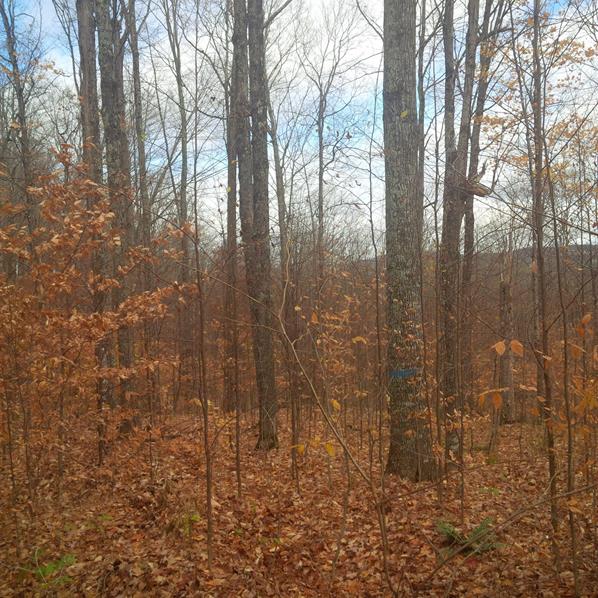
If you own woods in Claremont, building smart value starts with a written plan. Forest management plans Claremont NH give you a clear roadmap that protects your timber, soils, and long-term goals. When you partner with Stillwater Forestry LLC, your plan guides the work and helps align harvest activity with local program expectations. See how a tailored plan from our team works in practice by reviewing our service overview at forest management plans.
Many landowners want the best of both worlds: healthy woods and reliable timber income. That balance is possible when every step, from inventory to closeout, follows a sequence. A plan puts timing, markets, access, and regeneration in the right order so each decision strengthens the next.
Why Claremont Landowners Need Forest Management Plans
Claremont sits in a pocket of mixed white pine and northern hardwoods. Parts of town have wet ground near the Sugar River, while hills around Moody Park and beyond carry better-drained sites. That mix rewards careful planning. A written plan helps you:
- Match harvest timing to seasons so equipment stays off soft soils and roads hold up
- Protect future crop trees while removing low-vigor stems that steal light and space
- Lay out landings and trails that shed water and remain safe to use for decades
- Document objectives, treatments, and maps so decisions stay clear across generations
It also keeps you in control when buyers call. With a plan, you decide what to sell, when to sell, and how the job is done.
How Unmanaged Cutting Hurts Sullivan County Woods
Fast, unplanned cutting often removes the best trees first and leaves behind poor form and weak genetics. In our pine and hardwood stands, that high-grading stalls value for years. Soil rutting during mud season can also reduce growth and make roads unsafe. Over a decade, those choices show up as fewer quality logs, rough access, and missed opportunities for your family.
Always get a written plan before any cutting. It is your protection against short-term choices that damage long-term value.
A Plan That Bridges Timber Harvesting and Current Use
New Hampshire’s Current Use program sets expectations for long-term, well‑documented stewardship on eligible forestland. While details vary and can change, a professional plan helps you show intent, track activity, and stay organized for conversations with your assessor and tax professionals. The plan also sequences improvement cuts and regeneration work so timber harvesting supports healthy forests and potential tax advantages, not the other way around.
To understand how planning leads to better results in plain language, our team’s article on the importance of forest management plans walks through the practical benefits for local landowners.
Sequencing Steps That Protect Soil and Property Value
A strong plan for Claremont and neighboring Sullivan County towns follows a simple order. Each step protects the land and builds the next sale.
- Assessment and mapping: inventory species, age classes, and access; note wet areas and steep slopes
- Goal setting: income, wildlife, trails, views, or legacy priorities for the family
- Harvest design: mark trees to favor quality stems, lay out stable trails, and size landings correctly
- Seasonal timing: schedule work for frozen or dry windows to guard soils and streams
- Closeout and regeneration: water bars, stabilized landings, and sunlight for the next crop
- Review and update: track progress so the next entry improves value again
When the plan drives each step, the forest grows straighter, markets are timed better, and your woods stay pleasant and safe to use.
Local insight: Claremont’s freeze–thaw cycle can flip quickly. Heavy equipment on soft ground leads to ruts that take seasons to heal. Protect soil with frozen‑ground or very dry‑season entries for the heaviest work and keep truck traffic off roads during spring mud.
Designing Timber Harvests That Add Value
Good harvests leave the best trees with more light and space, protect water, and keep access safe. In practice, that can mean small patch openings for regeneration, crop‑tree release in hardwood stands, or selective thinning in pine to lift quality. Your plan sets thresholds so the crew knows what to keep and what to cut.
Curious how this looks on the ground? Our page on timber harvesting explains how Stillwater Forestry LLC designs sales to raise value while caring for your land.
Claremont Weather Windows and Road Layout
We plan the work around two local realities: mud season and summer thunderstorms. Winter cuts on frozen soils limit compaction in low areas. Late summer entries fit many upland hardwoods if roads are crowned and ditches are working. Landings are sited for drainage and future re‑use so the next sale costs less and runs smoother.
Keep the best trees growing for future value. That is the simple test we apply to every treatment and trail decision.
What a Good Plan Includes for Mixed Pine and Hardwoods
Most Claremont woodlots carry a blend of white pine with sugar maple, red maple, birch, and beech. Your plan should spell out:
Stand objectives for each block, marking standards to avoid high-grading, and a timeline for improvement cuts. It should show buffers for streams, landing locations that drain well, and a schedule to revisit stands before they stagnate. Finally, it should include plain‑language notes the whole family can read, not just foresters.
Turning a Woodlot Into Generational Wealth
Timber can be a reliable, repeatable source of income when you think in decades. The first entry improves quality and sets up better sawlogs later. The second entry moves more wood at higher value, often with lower logging costs because roads and landings are ready. Your plan keeps that cycle on track so heirs understand what to do and when.
Because the plan outlines goals, maps, and a schedule, it becomes a binder your family can trust. That clarity reduces rushed decisions during transitions and helps everyone see the same path forward.
Common Mistakes a Plan Helps You Avoid
Plans reduce risk. Here are problems that often disappear when a forester leads the work:
- High-grading that removes the best stems and depresses future stand quality
- Rutting and erosion from poorly timed entries and unmanaged water
- Landings that are too small, unsafe, or placed where drainage fails
- Regeneration failures from lack of light, browse pressure, or leftover competing trees
- Paperwork gaps that make it harder to discuss program expectations or defend decisions later
Our job is to predict these issues and design your harvest so they never show up. Document work to maintain clear records and steady progress. That is good forestry and good business.
Putting It All Together for Claremont NH
When your property has a tailored plan, every action makes sense. You know why a stand is thinned, why a trail curves to the left, and why a landing sits on a knoll instead of a hollow. Even better, you can point to a simple schedule and explain it to family, neighbors, and future buyers with confidence.
If you want a quick overview of how Stillwater Forestry LLC approaches planning and value, you can also revisit our homepage through this overview of forest management plans Claremont NH to see how all services connect for local landowners.
Ready To Protect Your Woods And Your Wallet?
You do not have to guess your way through a timber sale. Start with a clear, written plan that matches Claremont’s terrain, markets, and seasons. Meet with Stillwater Forestry LLC, walk your land, and get a roadmap that grows value for decades. Call us at 1-800-237-9253 or learn how our team builds plans that work at our forest management plan service.
Are You Looking for Forest Management Services in New Hampshire or Vermont? Contact Stillwater Forestry Today!