Maximizing Timber Income With Sustainable Timber Harvesting in Vermont & New Hampshire
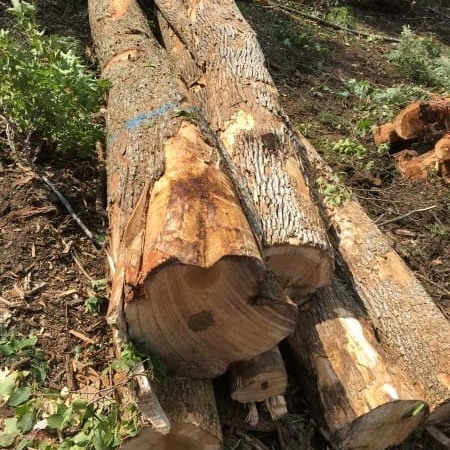
If you own woodland in Vermont or New Hampshire, you can earn a meaningful income without harming your forest. The key is sustainable timber harvesting guided by a plan that fits your land, your goals, and local conditions. With Stillwater Forestry LLC as your consulting forester, you get a careful inventory, a smart harvest design, and a crew that respects soils, water, and wildlife. To see what this looks like in practice, explore our timber harvesting service and how it protects your woods while maximizing value.
Sustainable Timber Harvesting in New Hampshire: How It Maximizes Value
Sustainable harvesting focuses on what to remove, what to leave, and why. We start by walking your stands, noting species, diameters, quality, and access. From the White Mountains to the Monadnock Region and the Seacoast, site conditions vary. Shallow, rocky soils need a lighter touch than deep valley bottoms along the Connecticut River. Winter often offers the best window because frozen ground supports equipment and limits soil disturbance.
Our aim is simple: harvest the right trees now so the best trees grow faster for later. That means removing low‑quality stems competing with your most valuable trees, opening light where it helps regeneration, and protecting the crop trees you’ll sell in the future. Done well, a sale today sets up a stronger sale later, not a one‑time cut that leaves you starting over.
Selective Cutting vs Clearcutting: What Works for Your Woods
Many landowners ask about selective cutting versus clearcutting. These are tools, not outcomes. Selective cutting removes individual or small groups of trees. It can improve stand quality, enhance views, and keep a closed canopy for shade‑tolerant species like sugar maple and hemlock. Clearcutting removes most trees in a patch to regenerate sun‑loving species like white birch and aspen. On some sites, a patch clearcut creates healthy, even‑aged habitat and jump‑starts vigorous growth.
Which approach is right? It depends on your goals and your stand. If your priority is steady income and a woods that looks much the same after the cut, a selective approach often fits. If you want to reset poor‑quality stands, boost early‑successional wildlife habitat, or establish sun‑loving species, a small, well‑placed clearcut can be the right prescription. Choose the method that meets your goals and matches your site.
- Selective cutting shines when you want to improve timber quality and keep steady cover.
- Patch or shelterwood cuts can rebuild young, vigorous stands where quality is low today.
When to Sell Standing Timber in VT and NH
Timing a sale can add real value. Markets shift with mill demand, fuel prices, and seasonal access. Winter and late summer dry spells are often the best times in New Hampshire and Vermont because soils are firm. In mud season, even the best operators can leave ruts, so patience protects your ground and your long‑term income. If you’re considering a sale in the Upper Valley, Lakes Region, or North Country, plan ahead so your harvest can move when roads and landings are ready.
Species mix matters too. Hardwood sawlogs like sugar maple, red oak, and yellow birch can command strong prices when quality is high. Softwood pulp or low‑grade stems move better when mills are hungry. Do not rush a sale because of a single quote. A consulting forester can mark to your goals, bid your timber, and help you choose the best proposal instead of taking the first offer.
Protecting Your Land During a Harvest
A good sale is more than tally and price. It is about protecting soils, water, and the woods you’ll walk for decades. That starts with careful skid trail layout, well‑drained approaches, stable stream crossings, and clean landings. Slash is placed to control erosion and feed the soil. Sensitive areas are flagged and avoided. Protect your soils and you protect your long‑term income.
- Place trails on firm ground and along contours where possible.
- Use brush mats or frozen ground to spread machine weight.
- Stabilize any steeper stretches and water bars before the last load leaves.
- Keep stream buffers intact unless your plan calls for specific, light treatments.
How “Sell Standing Timber” Works Without Regrets
Plenty of landowners type “sell standing timber in VT or NH” and end up with a one‑size‑fits‑all cut. That’s not the path to strong, repeated income. A better route begins with a plan, then marking trees to your objectives, then inviting qualified loggers to bid. The result is competitive offers, clear expectations, and a harvest that leaves your woods healthier. Insist on a written scope, performance standards, and cleanup details so everyone knows the job you expect.
We also talk about access. Can a truck reach your landing in February? Do town roads in your area post spring weight limits? Planning for these realities keeps the job moving and protects your town relationships. In places like Hanover, Lebanon, Laconia, and Littleton, a forester who knows local road seasons, slopes, and soils can make the difference between a smooth job and a stalled one.
Working With a Consulting Forester You Can Trust
When you hire a consulting forester, you hire a fiduciary who works for you, not the mill or the logger. Your forester helps you set goals, mark trees, handle bids, and supervise the harvest. They verify scale tickets, track payments, and confirm that the job stays on spec. If you want an easy overview of timber harvesting in New Hampshire, we can walk you through the process and show examples from similar properties so you know what to expect.
Communication keeps your sale on track. Before equipment shows up, you will know where trails go, where the landing sits, and how your property will look when the job wraps up. We’ll also plan for regeneration, deer browse pressure, and invasive species so you’re building a stronger stand for the next cut, not just cashing out today.
A Simple, Proven Process From First Walk to Final Closeout
Here’s how a typical sale works with Stillwater Forestry LLC. First, we meet on your land to walk the boundaries, look at access, and hear your goals. Next, we design the harvest to fit your site and mark trees to cut and trees to keep. Then we invite qualified operators to bid your marked timber, apples‑to‑apples, so you get a fair comparison. We manage the contract, check the work on site, and handle closeout so trails are stable and landings are shaped, seeded, and clean.
Every step is built around your objectives: income now versus later, wildlife habitat, trails and recreation, or improved views. If you manage for maple syrup, we protect your sugarbush and plan access that won’t damage lateral lines. If you value hunting or birding, we can weave in light cuts or small gaps that boost food, cover, and edge. In the end, the woods you love should look cared for, not carved up.
What Selective Cutting Looks Like on the Ground
Picture a 50‑acre mixed hardwood stand in the Upper Valley. We might remove poorly formed red maple and overmature poplar that crowd your best sugar maple and oak. That lightens competition and raises the quality average. Sun reaches the forest floor in small patches, encouraging seedlings while keeping the stand mostly shaded. Trails follow firm ground and avoid seeps. After the last truck rolls, your woods are cleaner, safer to walk, and set up for faster growth on the best crop trees.
Now imagine a low‑quality stand outside the Lakes Region. Many stems are small, poorly formed, and prone to breakage. A small patch clearcut here can reset the clock, pushing vigorous new growth and a future stand worth managing. The surrounding trees provide seed and cover. Over time, you’ll see healthier stems, better wildlife diversity, and a stand that supports a stronger sale in the next rotation.
Seasonal Planning Matters in New England
Our freeze‑thaw cycles are real. In January and February, frozen soils let equipment travel lightly, which is kinder to your land. In April, mud season can shut roads and landings. Late summer can bring dry ground and good access, but we still watch for thunderstorms that can slick up slopes. Aligning your sale with the season reduces headaches, change orders, and site impacts. It also gives mills steady supply when they need it, which can help your sale move smoothly.
The Role of Markets, Mills, and Log Quality
Market conditions change, but quality always sells. Straight stems, minimal sweep, tight rings for some species, and clear faces matter. Sorting logs well helps you capture higher values for sawlogs and veneer while moving pulpwood and firewood grades efficiently. Your forester’s marking and the crew’s cutting and sorting keep your best logs in the right piles. That’s how a harvest can pay well today and still leave you a better forest tomorrow.
Why Stillwater Forestry LLC Prioritizes Careful Setup and Cleanup
We believe a clean landing is part of a good sale. That means slash managed, seed where needed, and ditches shaped so water stays on stable ground. Trails are left safe to walk, hunt, or ski. Boundary paint is refreshed if needed. We also schedule a follow‑up check so any small ruts or water bars get attention after the first big rain. Good closeout is not optional; it protects your investment and your enjoyment of the land.
See How a Professional Harvest Protects Your Woods
If you want to understand how the pieces fit together, browse our overview of sustainable timber harvesting and the steps we take to protect your land while we market your trees. From the North Country to the Seacoast, we manage the details so you don’t have to chase trucks, guess at tickets, or worry about damage. You focus on your goals. We handle the mark, the bid, the supervision, and the closeout.
Ready To Maximize Timber Income Without Damaging Your Woods?
Your forest can earn today and grow stronger for tomorrow. Let Stillwater Forestry LLC design a plan that fits your goals, your soils, and your access. Call us at 1-800-237-9253 or start with our timber harvesting service to see how a well‑run sale in Vermont and New Hampshire protects your land and your legacy.
Are You Looking for Forest Management Services in New Hampshire or Vermont? Contact Stillwater Forestry Today!