Maximizing Wildlife Habitat Improvements and Timber Value in New Hampshire Woods
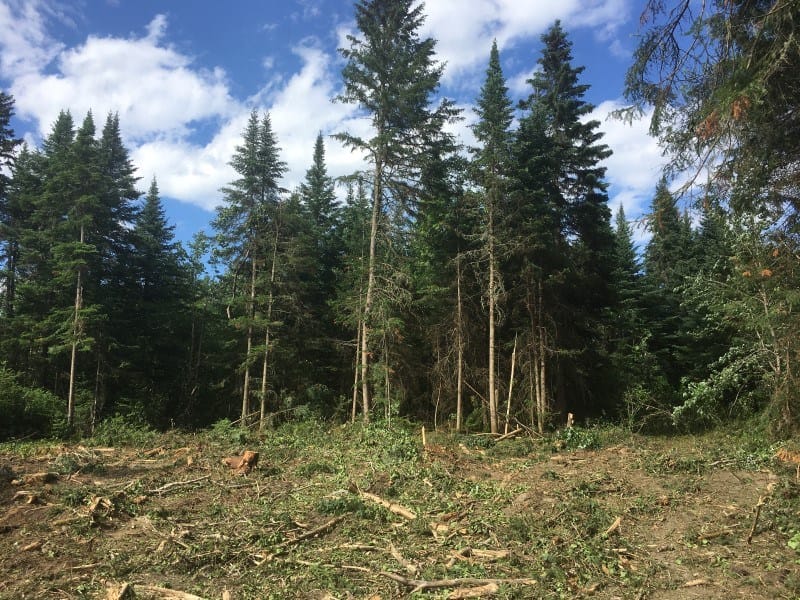
New Hampshire landowners often ask how to support wildlife and grow timber value at the same time. The answer is a plan that uses science and the market together. Strategic canopy gaps, small patch cuts, and careful thinning create food and cover for game species while setting up the next crop of high-grade logs. If you want a clear path, explore our wildlife habitat improvement approach and see how it fits your goals.
Why Canopy Gaps Fuel Wildlife and Timber Value in New Hampshire
In many northern hardwood stands, sunlight is the limiting factor. When you create deliberate gaps, light hits the forest floor and understory plants surge. That new growth becomes browse for white-tailed deer and attracts insects and seeds that feed ruffed grouse and songbirds. At the same time, releasing your best “crop trees” from competition lets them add diameter and value faster.
Well placed gaps also balance age classes across your property. Younger patches provide food and cover. Mid-aged stands grow straight, sound stems. Older clumps protect mast and den trees. Over a 10 to 20 year cycle, this mosaic gives you steady habitat benefits and better sale options when markets are strong.
How Patch Cuts and Group Selection Help Deer and Grouse
Patch cuts mimic natural disturbance. In New Hampshire hardwoods, small groups about one tenth to one quarter acre scattered across a stand spur a flush of saplings and shrubs. That means reachable winter browse for deer and thickets where grouse and woodcock can hide and feed. Group selection in mixed woods can keep conifer shelter nearby for thermal cover, which matters in our long winters from the Whites to the North Country.
These openings also diversify your timber portfolio. Sun-loving species regenerate in the patches while shade-tolerant hardwoods keep building value between them. Done with a forester’s eye, the next entry brings high-grade logs from released stems and a new round of wildlife food and cover where your patches have matured.
Local insight: Winter often offers the best window for habitat work in New Hampshire. Frozen ground supports equipment and protects soils. Spring “mud season” can close woods roads and raise erosion risk, so plan ahead with your forester.
Build A 10–20 Year Plan That Pays Ecologically And Financially
A simple calendar helps you see how habitat and value move together. The exact timing depends on your acres, access, and stand conditions, but this general rhythm works across much of New Hampshire:
- Years 0–2: Create small canopy gaps and patch cuts, thin around crop trees, protect mast trees like oak, beech, and cherry.
- Years 3–7: Understory fills in with browse and cover. Released hardwoods add more growth rings per year. Monitor invasives and trail condition.
- Years 8–12: Selective thinning captures mid-rotation value from lower grade stems. Keep two to three age classes on the ground.
- Years 13–20: High-quality stems reach premium sizes. Regenerate a few older patches and repeat the cycle where habitat is closing in.
This approach turns “either-or” into “both-and.” You improve deer and grouse habitat while setting up the next sale of higher grade logs, rather than a one-time cut that leaves you starting over. For a step-by-step roadmap, see how a formal plan guides actions and timing on our forest management plans page.
Sustainable Forest Management NH: Protecting Soils, Water, And Access
Smart habitat work protects the land that produces it. Skid trails and landings should follow dry, stable ground when possible, with water bars and ditch relief placed before storms. Crossing streams requires extra care. In rocky Monadnock foothills, lighter equipment and short yarding distances can protect shallow soils. In the Connecticut River Valley, silt-prone soils may call for longer winter-only windows.
Pro tip: Keep woods roads crowned and cleared of leaves before fall rains. Good drainage saves habitat gains and your future harvest budget by keeping access reliable year after year.
White-Tailed Deer Habitat Forestry: Food, Cover, And Travel
Deer need a tight loop of food and shelter, especially from December through March. Small gaps and patches near softwood edges create browse within a short dash of thermal cover. Releasing apple and beech mast, where present, boosts fall calories ahead of winter. In oak pockets, leave balanced seed trees across slopes so acorns drop widely. Protect travel corridors along benches and old stone walls where animals already move.
Across the Lakes Region and the Seacoast, where parcel sizes are smaller, keeping that food-cover loop tight is even more important. In bigger North Country tracts, you can stage patches across distance to stagger food and cover while limiting snow energy costs for wintering deer.
Ruffed Grouse And Young Forest Structure
Grouse thrive in thickets of pole-size trees with scattered fruiting shrubs and nearby conifers. Group selection and small patch cuts refresh this structure. Brushy edges around openings offer drumming logs, nesting cover, and safe brood habitat. If you have aspen, paper birch, or apple remnants, position openings nearby so young stems and soft mast are reachable. Keep a few legacy trees and snags for cavities and perches where it is safe to do so.
Good practice: Retain mast trees and healthy den trees during every harvest entry. They anchor wildlife value while your next timber crop grows.
Choosing Treatments By Stand Type
Each New Hampshire stand has its own personality. Treatments should match that character, not force a one-size-fits-all sale. Here is a simple guide you can discuss on a property walk:
- Northern hardwood flats with sugar maple and yellow birch: Light to moderate thinning around best stems. Add scattered gaps to speed regeneration where understory is weak.
- Mixed hardwoods with hemlock pockets: Patch cuts near conifer edges for deer cover, group selection where young growth is ready. Protect roots in shallow, rocky soils.
- White birch or aspen patches: Slightly larger groups regenerate sun-loving species that feed grouse and woodcock.
- Oak ridges: Release crop oaks, prune lower limbs where practical in younger stands, and keep spacing that brings crowns into full sun.
If you want examples that tie habitat to future log quality, read our article on habitat improvements that raise timber value for a deeper look at timing and outcomes.
Market Timing And Log Grades Matter
Habitat work can line up with market windows. When hardwood prices are strong, a selective entry that removes low-value competitors still pays, and released crop trees gain value faster. When softwood is steady, you can focus on access upgrades and light conifer thinning that protects canopy while improving growth. Either way, the goal is to take the right trees now so the best trees are worth more later.
Avoid this mistake: High grading, or “cut the best and leave the rest,” harms both habitat and future value. A balanced plan keeps your best genetics standing and puts quality wood on the landing years from now.
Local Factors Across New Hampshire
Weather shapes timing. Winter freezes help protect soils, and dry late summer spells can open short windows in well-drained areas. Spring mud season often shuts down woods roads from the Monadnock Region to the North Country. Near the Seacoast and lower Connecticut River Valley, stormwater control and quick drainage checks after heavy rain protect new seedlings and roads.
Terrain matters too. In the White Mountains, slopes and thin soils call for tighter skid trail design and more protective buffers. In central New Hampshire and the Lakes Region, many woodlots are smaller, so patch size and spacing need to fit neighbors and views while still giving wildlife the cover it needs.
Putting It Together With Stillwater Forestry LLC
When you blend habitat and timber goals, every move should have a reason. We start with your objectives, map the stand structures, and mark cuts that create cover now and quality logs later. The plan also spells out monitoring, invasive checks, and how to schedule the next entry.
If you are ready to see how this looks on the ground, review our wildlife habitat improvement services to understand the tools we use, including small patch cuts, mast tree release, and carefully timed thinnings. Then, put it all under one roadmap with a formal plan written for your acreage, access, and goals.
Next Steps For Landowners
Here is a simple way to start:
Walk your woods after a light snow or gentle rain and note deer tracks, grouse flushes, and natural openings. Flag two or three areas where sunlight already reaches the ground. Then meet with a forester to confirm patch size, trail layout, and crop-tree choices. A good plan will show how to stage the work over 10 to 20 years so wildlife and value rise together.
To learn more about wildlife habitat improvement in New Hampshire and how it pairs with smart harvest timing, reach out to Stillwater Forestry LLC. We will help you build a plan that works with New Hampshire’s seasons, soils, and markets.
Talk With A Forester Who Balances Habitat And Value
Your woods can host more deer, grouse, and songbirds while growing the next sale of high-grade logs. If that is your goal, let’s put a plan on paper and get to work. Call 1-800-237-9253 to schedule a walk, or start by reviewing our service overview at wildlife habitat improvement. We are ready to help you make the most of your land with a clear, practical path that protects the forest and your future income.
Are You Looking for Forest Management Services in New Hampshire or Vermont? Contact Stillwater Forestry Today!