Why Land Acquisition for Timber in St. Johnsbury VT Requires a Soil and Access Assessment Before You Buy
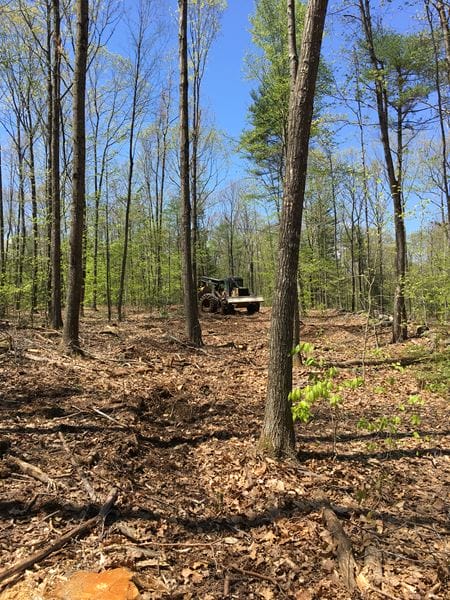
If you are considering land acquisition for timber in St. Johnsbury, VT, the smartest move is to evaluate soils and access before you sign. Northern hardwood parcels here can look perfect on paper, yet shallow ledge, poor drainage, or a tight approach for log trucks can drain profit. At Stillwater Forestry LLC, we guide buyers through a field-first review and a practical market check so your purchase performs in the real world. To see how we handle this, explore our land acquisition service or call 1-800-237-9253 for a no-pressure conversation.
The Two Assessments That Protect Your Timber Investment
Timber value depends on two simple realities: what the soil can grow and how reliably you can reach it. Around St. Johnsbury and the Passumpsic River valley, uplands often carry sugar maple, yellow birch, and beech. Many of these stands sit on glacial till with patches of shallow bedrock. A soil pit can reveal rooting depth and drainage in minutes. The access review happens outside the stand. It looks at road geometry, landing sites, and whether winter freezes or mud season will shut down trucking when you most need it.
Why Northern Hardwood Soils Around St. Johnsbury Matter
Healthy northern hardwoods need stable footing. What you are checking is the match between species and site. Where the till is deep and well drained, stems are straighter and growth is steady. Where ledge rides close to the surface, crowns are smaller and windfirmness can suffer. A few quick field clues help you read the site: soil color and texture, seepage after rain, and how roots spread when you open a small pit. **Shallow ledge cuts volume and makes future thinning more disruptive.** That affects your timing and choice of equipment.
Seasonal Access Near Route Corridors: The Hidden Profit Killer
St. Johnsbury sits at the junction of I‑91, U.S. Route 2, and Route 5. Being near plowed corridors helps, but it is not the whole story. A parcel may front a state highway and still be hard to reach with a lowboy or a tractor trailer if the driveway pitch is steep, the turn radii are tight, or the first 500 feet faces a southern thaw that turns to soup in March. Winter logging works best when freezes lock in early and stay cold. A mild spell can shut down hauling for a week and push your schedule into mud season. That delay affects trucking options and the mix of mills that will take your loads.
How We Evaluate a Parcel Before You Buy
Our approach blends boots-on-the-ground forestry with a common-sense market view. You get a clear read on growth potential, harvest logistics, and net return drivers. Here is how the first-pass field review typically flows.
Soil Clues You Can Confirm On One Walk
- Open a small soil pit by hand to spot depth to restrictive layer, mottling, and texture. Dark, well-structured topsoil over firm but friable subsoil is a good sign.
- Scan for red maple or softwoods crowding lower pockets. That can flag wetter soils that will need careful season planning.
- Look for sugar maple and yellow birch vigor on midslopes. Even spacing and healthy crowns hint at better timber potential.
- Check rock outcrops and stone lines. Frequent ledge near the surface points to limited rooting and rougher machine travel.
We pair this with past disturbance clues. Old stumps, regenerated skid trails, and landing scars tell you how the ground handled equipment in the past and where water wanted to move. If the ground rutted heavily under past use, you will need stronger seasonal timing or lighter gear.
Access Reality Check: Roads, Landings, and Truck Geometry
- Entrance and approach: Is there a safe, plow‑friendly entrance off the corridor? Can a log trailer make the turn without cutting into the shoulder?
- Grades and turns: Short steep pitches or blind switchbacks can sideline tractor trailers. Even a great stand loses value if loads must be short‑hauled to a concentration yard.
- Landings: Look for a dry, level spot with space for sorting by product. A cramped landing slows production and limits load quality.
- Woods roads: Confirm culverts, waterbars, and ditch lines. Washed-out crossings mean downtime after every storm.
Local insight: In the Northeast Kingdom, freeze‑thaw swings can be sharp. A drive that was rock solid at dawn can soften by mid‑afternoon on south‑facing approaches. Plan winter harvests around stable cold windows and avoid tight, sun‑exposed entrances that degrade first.
A Quick Field Checklist for Buyers
Use this list to frame your site walk and your offer timeline. It keeps the focus on facts that move the numbers.
- Soils: depth to ledge, drainage class, and any seepage zones that push work into winter only.
- Access: entrance width and pitch, turn radii for trailers, and space for a proper landing near the stand.
- Historical roads: locate old skid trails and check for erosion cuts, broken culverts, or beaver‑influenced crossings.
- Season window: note where shade or aspect will hold frost, and where the sun will thaw first.
- Markets: map realistic drive times to sawmills and pulp buyers in the Northeast Kingdom and across the river in New Hampshire.
- Neighbor relations: confirm gates, parking spots, and any informal turn‑outs that kept past jobs smooth.
Markets and Haul Distance Shape Net Returns
Product mix is only part of the revenue picture. Trucking rules the schedule. Shorter, safer hauls usually win because they keep more options open when one buyer slows intake. If a parcel forces straight trucks instead of tractor trailers, you may be pushed toward mixed loads and fewer destination choices. **A short, safe haul beats a longer route with risk every time.** During evaluation, we sketch likely load destinations and the road segments that could shut you down in mud season. If a critical bridge, curve, or hill is marginal, we flag it before you commit.
For planning beyond the purchase, a written forest management plan ties your stand improvement work, wildlife goals, and harvest timing into one path. It also helps you coordinate access upgrades with your first thinning so you are not paying twice for similar work.
Case-Style Example: Two Similar Parcels, Different Outcomes
Consider two 80‑acre tracts north of town. Both hold mixed hardwood with pockets of sugar maple. On Parcel A, a gentle north‑facing woods road climbs to a roomy landing. The subsoil is firm and drains well after storms. Trucks load fast and head to multiple mills in the region. On Parcel B, ledge shows up within a foot of the surface across long stretches. The driveway meets a highway at a steep angle, and the first curve inside the parcel is tight. Even with good timber, production slows and the mill list gets shorter. The difference is not the standing volume; it is the cost to move it and when you can move it.
How Access Near Highways Can Mislead Buyers
Being close to I‑91 or U.S. 2 is a plus only if the approach works. Watch for snowbanks that narrow the mouth of a driveway, private plow windrows, or a town plow turnaround that limits how a log truck can set up. If the landing is tucked behind a wet draw, those last few hundred feet can become the most expensive part of the job. **Always verify year‑round access in writing** and match it to the equipment you intend to use.
For a deeper dive on this topic, see our short guide on access here: read our importance of access article and think through how those points apply to your target parcel.
Ledge, Drainage, and Winter Viability
In this part of Vermont, thin soils over bedrock often show up on upper slopes and knolls. That is not a deal breaker, but it changes your plan. Shallow rooting means more sensitivity to rutting and windthrow if you push timing. Wet pockets near toe slopes can hold frost longer in January, then soften rapidly in March. If your first thinning needs a narrow window of solid freeze, you must have backup blocks at higher elevation or shadier aspect to keep the crew productive if a thaw hits.
Due Diligence Steps We Complete Before You Close
We document the stand, map the roads, and outline the risks so you see your decision clearly. Here is the typical flow from first call to offer:
- Desktop scan: review aerial imagery, topography, and nearby landings to predict soils and access risks.
- On‑site walk: verify soil depth, drainage, and any wetland indicators. Flag potential landings and truck paths.
- Access test: measure entrance width, test grades, and visualize trailer swing using actual truck geometry.
- Market sketch: note likely mill categories and realistic drive times to each.
- Action plan: outline the first three moves after closing, including low‑cost access fixes and stand priorities.
What This Means for Your Offer
With a clear soil and access picture, you can write a tighter offer timeline and avoid surprises. If ledge or seasonal access is a major constraint, you might stage work in winter on only the most stable blocks and delay the rest. If access is excellent and soils are forgiving, you can often time an early thinning that funds part of your improvements. The point is to make the purchase support itself, not the other way around.
Work With a Forester Who Buys and Manages Timberland
Our team has evaluated many Northeast Kingdom woodlots where small changes to landings, turn radii, or haul plans unlocked better markets. We bring that same field sense when you are weighing your first offer. If you want a fast overview of our process, revisit our land acquisition service and see how we align soils, access, and markets with your goals.
Ready to Buy With Confidence in St. Johnsbury VT?
Before you commit to a woodlot, let Stillwater Forestry LLC confirm the two drivers that make or break returns: soils and access. We will walk the parcel, flag risks, and map a practical first‑year plan. Start at our home base for land acquisition for timber in St. Johnsbury, VT, or reach us at 1-800-237-9253 to schedule a site review. If you are lining up long‑term stewardship after closing, we can also craft a tailored forest management plan that keeps your roads solid and your stands improving. When you are ready to move, get land acquisition help from a team that treats your purchase like an investment, not a guess.
Are You Looking for Forest Management Services in New Hampshire or Vermont? Contact Stillwater Forestry Today!